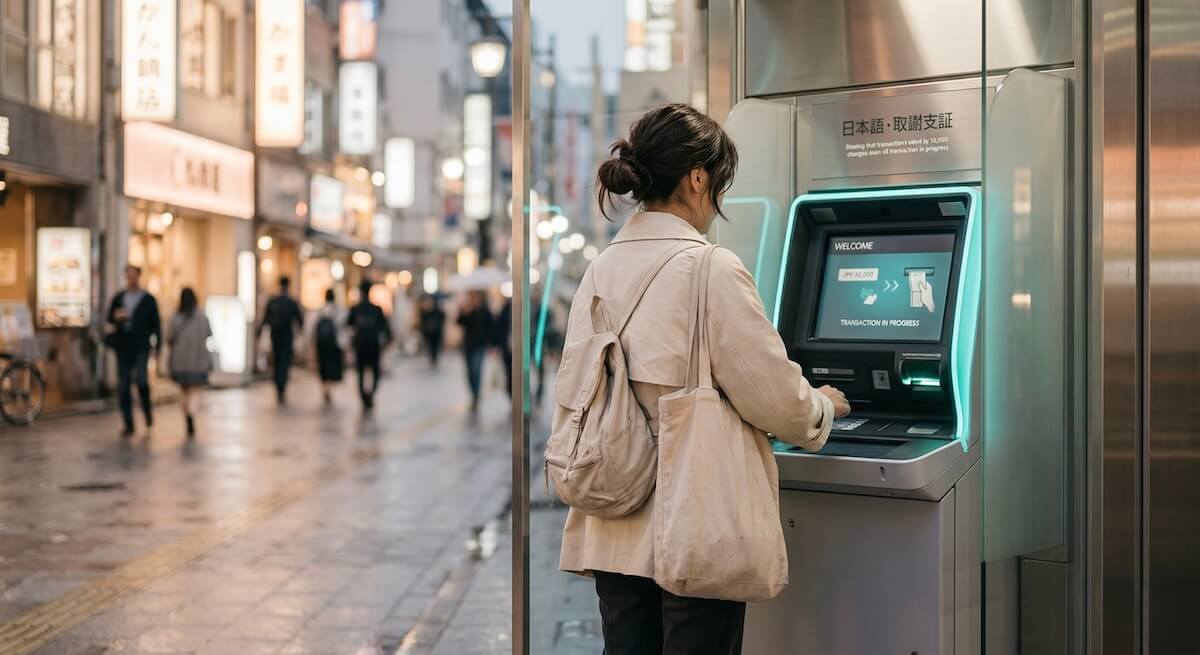
Despite the rise of cashless societies, cash remains king in many parts of the world—from the street food stalls of Bangkok to the traditional ryokans of Kyoto. But withdrawing cash abroad is riddled with financial traps.
Rule 1: Always Decline Conversion
When you insert your card into a foreign ATM, the screen will often present a "convenient" conversion rate, asking if you want to be charged in your home currency. Decline it immediately. This is known as Dynamic Currency Conversion (DCC), and the ATM provider is legally allowed to mark up the exchange rate by up to 10%.
Rule 2: Use Bank-Affiliated ATMs
Avoid standalone ATMs found in convenience stores, bars, or randomly on the street (often branded as Euronet or Travelex). Stick to ATMs attached to actual physical banks, as they typically charge lower, standardized withdrawal fees.
Rule 3: Know Your Real Rate
Before you approach an ATM, open Currencie. Input the exact amount of local cash you need. Currencie's lightning-fast offline engine will show you the true market value, allowing you to easily spot if the ATM is trying to rip you off.
The Ultimate Hack: Skip the Airport ATM Entirely
After a long flight, the last thing you want to do is navigate a foreign ATM screen with a tired brain, trying to dodge DCC traps just to pay for a taxi into the city. Airport ATMs are notorious for having the worst exchange rates and highest hidden fees.
Give yourself peace of mind by skipping the airport cash scramble altogether. We highly recommend booking an airport transfer in advance with Kiwitaxi. You can pay securely online before you fly, and a driver will be waiting for you with a sign right at arrivals. Let them handle your luggage while you relax on the way to your hotel. You can always find a proper, bank-affiliated ATM in the city the next day when you're fully rested—and have your Currencie app ready.